
Standard Freight Services
Temperature-Controlled Freight Shipping
Ship refrigerated items with confidence: food, pharmaceuticals, and other temperature-sensitive freight, held at the right temperature from pickup to delivery.
What is refrigerated freight?
Refrigerated, or reefer, freight is the transportation of goods that must stay within a specific temperature range to remain fresh and safe. It is most common for perishable items such as food, pharmaceuticals, and medical supplies.
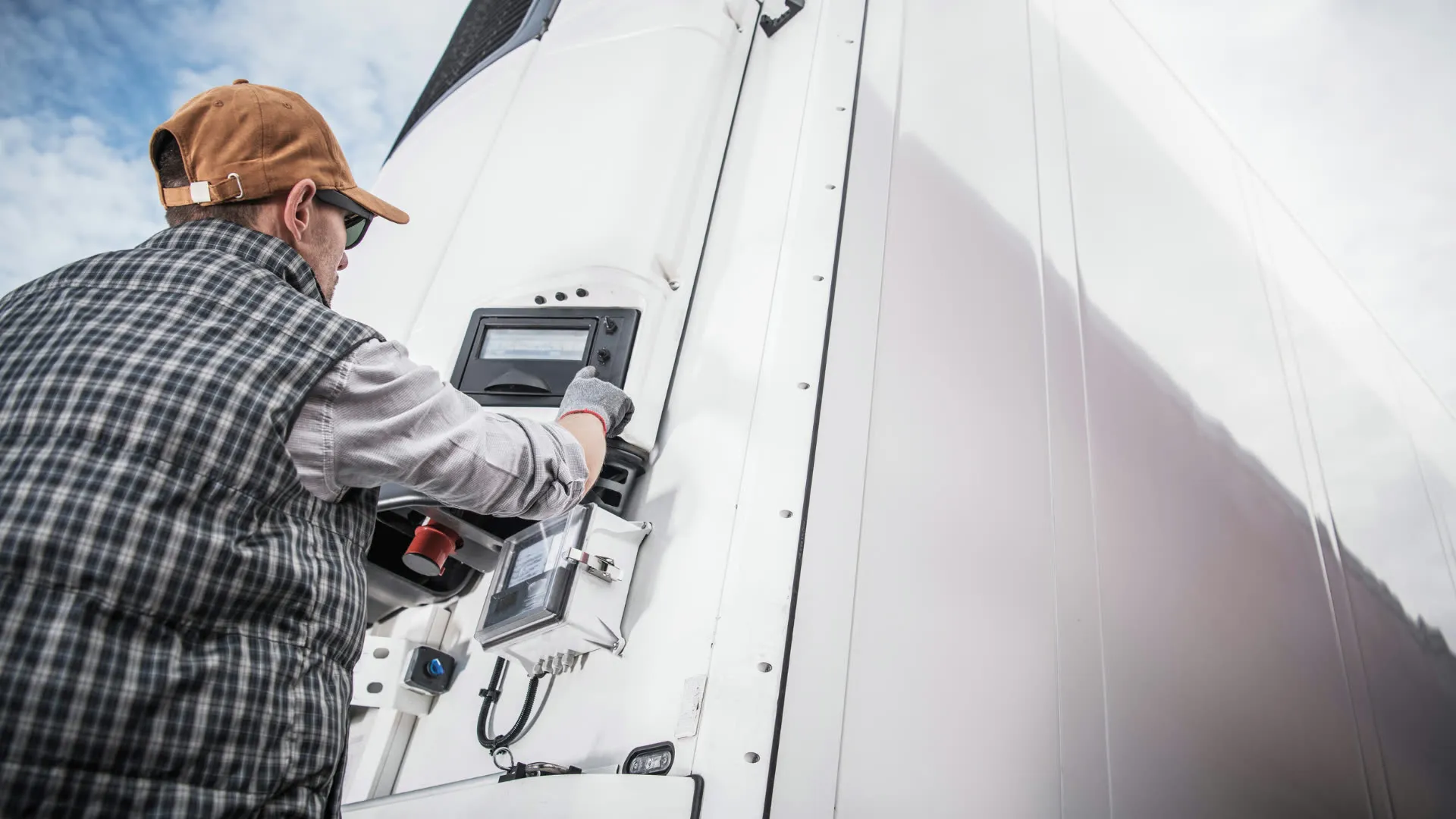
Reefer trucks carry refrigeration units that hold a consistent temperature throughout the trip, and the setting is adjusted to the requirements of the goods on board, whether they need to stay chilled or frozen.
Temperature control protects more than food. Pharmaceuticals, vaccines, and some cosmetics lose their effectiveness or become unsafe outside their range, so the cold chain has to hold all the way from the shipper’s dock to the receiver’s.
Reefer freight is essential to the quality and safety of temperature-sensitive products. RS Group arranges reliable, efficient refrigerated shipping across our carrier network, so your products arrive in the same condition they left in.
The benefits of a refrigerated truck
Do you ship perishable items that need a constant temperature, and want them to arrive exactly as they left your facility? A refrigerated truck gives you five advantages.
Maintains product quality
Controlling the temperature in transit means your products arrive in the same condition they were in when they left your facility. That matters most for perishable items like food, medicines, and vaccines.
Extends shelf life
Holding goods at their ideal temperature extends their shelf life, so you can ship over longer distances without worrying about spoilage or degradation.
Reduces product loss
Shipping perishables without temperature control risks loss to spoilage and damage. A refrigerated truck sharply reduces that risk, and saves money in the long run.
Increases efficiency
Refrigerated trucks are designed for efficient loading and unloading, with rear doors that open quickly and easily, which saves time on both ends of the trip.
Provides flexibility
With temperature control, you can ship your products anywhere, at any time of year, without worrying about the season, the weather, or other outside conditions.
Shipping refrigerated goods made easy
We provide refrigerated transportation through an extensive network of trusted carriers, for seamless cold chain logistics that protect your temperature-sensitive shipments and keep them moving efficiently.
- Our partner carriers use modern insulation technology to hold optimal temperatures and keep perishables fresh longer.
- We work only with carriers that prioritize secure, durable packaging, so your products arrive in pristine condition.
- Our carrier network has solutions for a wide range of refrigerated goods, including food, pharmaceuticals, and cosmetics.
- Our carriers use reusable, recyclable, and sustainable packaging materials to help you meet your green goals.
Not sure of your shipment’s freight class? Use our freight class lookup, or start with the freight density calculator.

Temperature control in every mode
Refrigerated freight is not one service but several. We match the equipment to the size of the shipment and the distance it travels.
Full truckload reefer
A refrigerated trailer reserved for your load, holding its set temperature from pickup to delivery. See full truckload shipping.
LTL and partial loads
Refrigerated trailers for shipments that do not fill a truck, through LTL and partial truckload carriers.
Local refrigerated delivery
Refrigerated trucks for same-day perishable and medical deliveries across metro Atlanta, through our Atlanta courier service.
Reefer containers
Temperature-controlled containers moved between ports, rail terminals, and warehouses by our drayage network.
The cost of refrigerated shipping
The cost of shipping goods that must stay cold varies with the items and the requirements of the shipment. At RS Group we give you several options, so you can find the right solution for your situation.
A refrigerated shipment is usually priced on the same basics as any other freight, plus the cost of keeping it cold. The main factors are:
- Temperature range: frozen loads and tight temperature windows need more from the equipment than chilled freight.
- Distance and lane: the length of the trip, and how much refrigerated capacity is moving on that lane.
- Size and weight: a full trailer, a partial load, or a few pallets on a shared trailer.
- Timing: firm delivery appointments and expedited transit cost more than flexible dates.
- Handling: extra stops, liftgates, or special loading requirements at either end.
Send us the details and a dispatcher will come back with your options. Request a refrigerated freight quote.
Preparing your refrigerated freight
Follow these six steps to make sure your perishables are properly prepared for a refrigerated trailer and arrive fresh and undamaged.
-
Determine the required temperature
Check the recommended temperature for each perishable item you plan to ship. You will usually find it on the product packaging, or you can get it from the supplier. Then make sure the trailer is set to that temperature.
-
Package your items properly
Proper packaging keeps the temperature steady in transit. Use insulated containers or boxes, seal them tightly to prevent heat transfer, and fill any gaps with packing material so items cannot shift. For frozen goods, dry ice is one more cold-chain method.
-
Label the packages clearly
Label each container with its contents and its required temperature, so the carrier and the recipient handle the shipment correctly and nothing is left to guesswork.
-
Cool the perishables before loading
Pre-cool your perishables to the required temperature before they go on the trailer. A reefer unit is built to hold a temperature, not to bring warm product down to it.
-
Load the trailer properly
Arrange the load so cold air can circulate. Do not block the refrigeration vents, and leave enough space around each container for air to flow.
-
Monitor the temperature in transit
Use a temperature monitoring system to track the temperature inside the trailer during the trip, so you can spot any fluctuation that could affect the quality of your perishables.
Work closely with your carrier so every precaution is taken to hold the right temperature and handling from pickup to delivery. Our team will help you plan it, and our guide on how to ship refrigerated products covers cold packs, dry ice, and packaging materials.
Refrigerated freight FAQ
What products need refrigerated shipping?
Anything that must stay within a temperature range to stay fresh and safe: fresh and frozen food, beverages, pharmaceuticals, vaccines, medical supplies, cosmetics, and some chemicals.
What is the difference between refrigerated and frozen freight?
Both move in a reefer. Refrigerated freight is kept chilled above freezing; frozen freight is kept below it. The reefer unit is set to the range your product requires, so tell us the exact range when you request a quote.
Can refrigerated freight ship LTL?
Yes. Smaller temperature-controlled shipments can move on refrigerated trailers through LTL and partial truckload carriers instead of a dedicated truck. Ask us which fits your shipment.
What do I need for a refrigerated freight quote?
The pickup and delivery locations, the product and its required temperature range, the weight and number of pallets, your pickup and delivery dates, and any special handling such as a liftgate or a delivery appointment.
Do you store refrigerated goods at your warehouse?
No. Our Atlanta warehouse does not handle perishables, so refrigerated freight moves directly from pickup to delivery in temperature-controlled equipment. For dry goods that need storage, see Atlanta warehousing.
How do I keep my shipment at temperature?
Pre-cool the product, pack it in insulated and tightly sealed containers, label the required temperature, load for airflow, and monitor the temperature in transit. The six steps above walk through each one.
Get Moving
Ready to move your freight?
Tell us the origin, destination, and what you are shipping. We will quote it and get it on a truck.