
Standard Freight Services
Full Truckload Shipping
A trailer for your freight alone: loaded once, driven direct, delivered on schedule. Compare carriers and rates through RS Group.
Truckload freight shipping
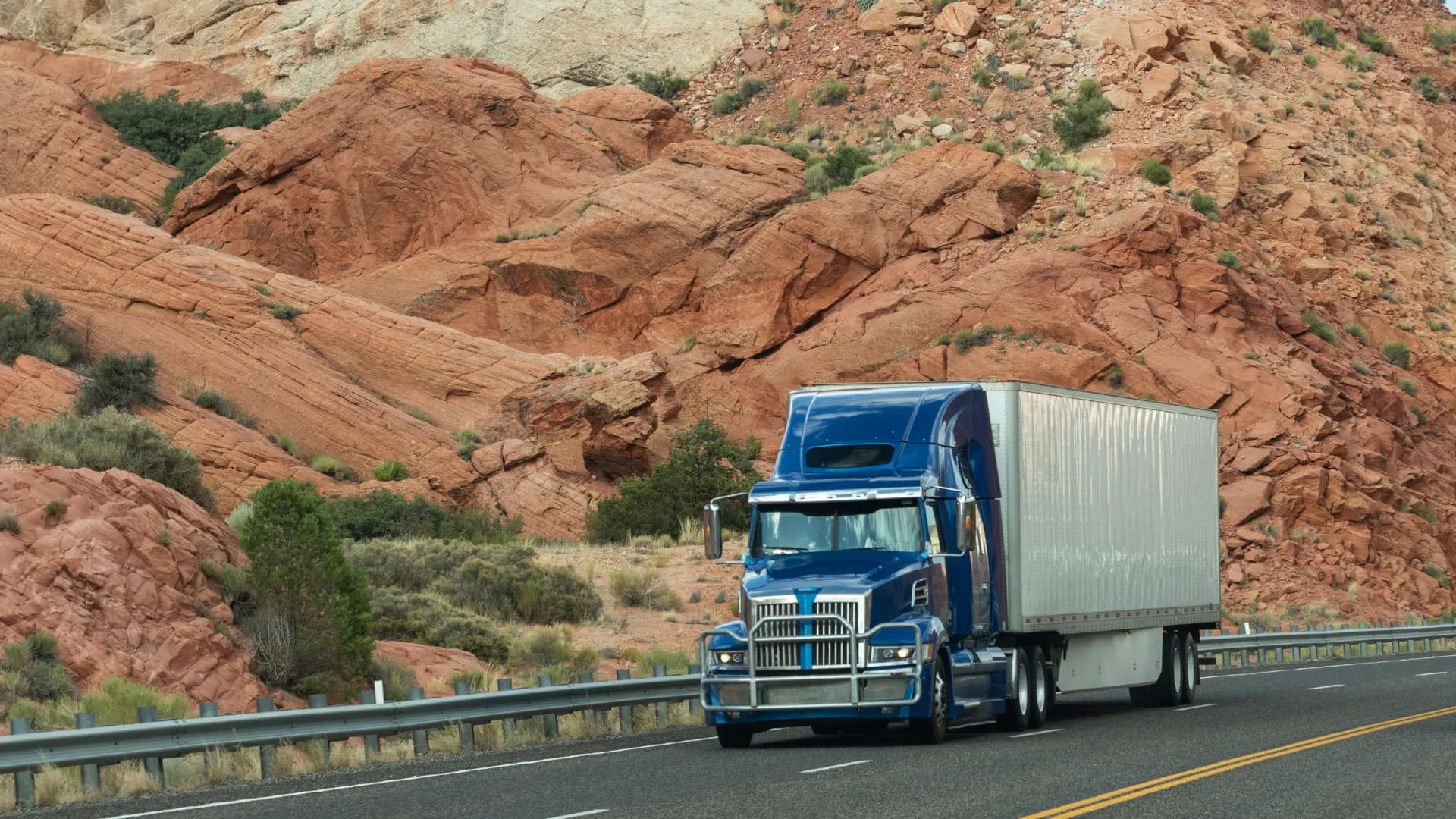
Full truckload (FTL) shipping reserves an entire trailer for one shipper. Your freight is loaded at origin and travels directly to its destination, with no terminal stops and no transfers along the way, so transit is faster and far more predictable than on a shared trailer.
Unlike less-than-truckload (LTL) shipping, where your pallets share space with freight from other shippers, a truckload moves one larger shipment on one truck from pickup to delivery. That makes it the standard for high-volume orders, heavy or oversized freight, and loads that cannot afford extra handling.
RS Group matches your load to the right equipment and carrier from our network of more than 6,200 carrier partners, then stays on the shipment until it is delivered. Whether you are moving a full order of furniture or a single oversized machine, you get an accurate quote built from real capacity.
Getting a truckload freight quote is simple: tell us the origin, destination, equipment, and what you are shipping, and a dispatcher comes back with a rate.
Equipment for every load
We book the trailer your freight needs, not the one that happens to be available.
Flatbed
Open-deck trailers that load from the side or the top. Built for bulky equipment, machinery, building materials, and anything that will not fit through a dock door.
Dry van
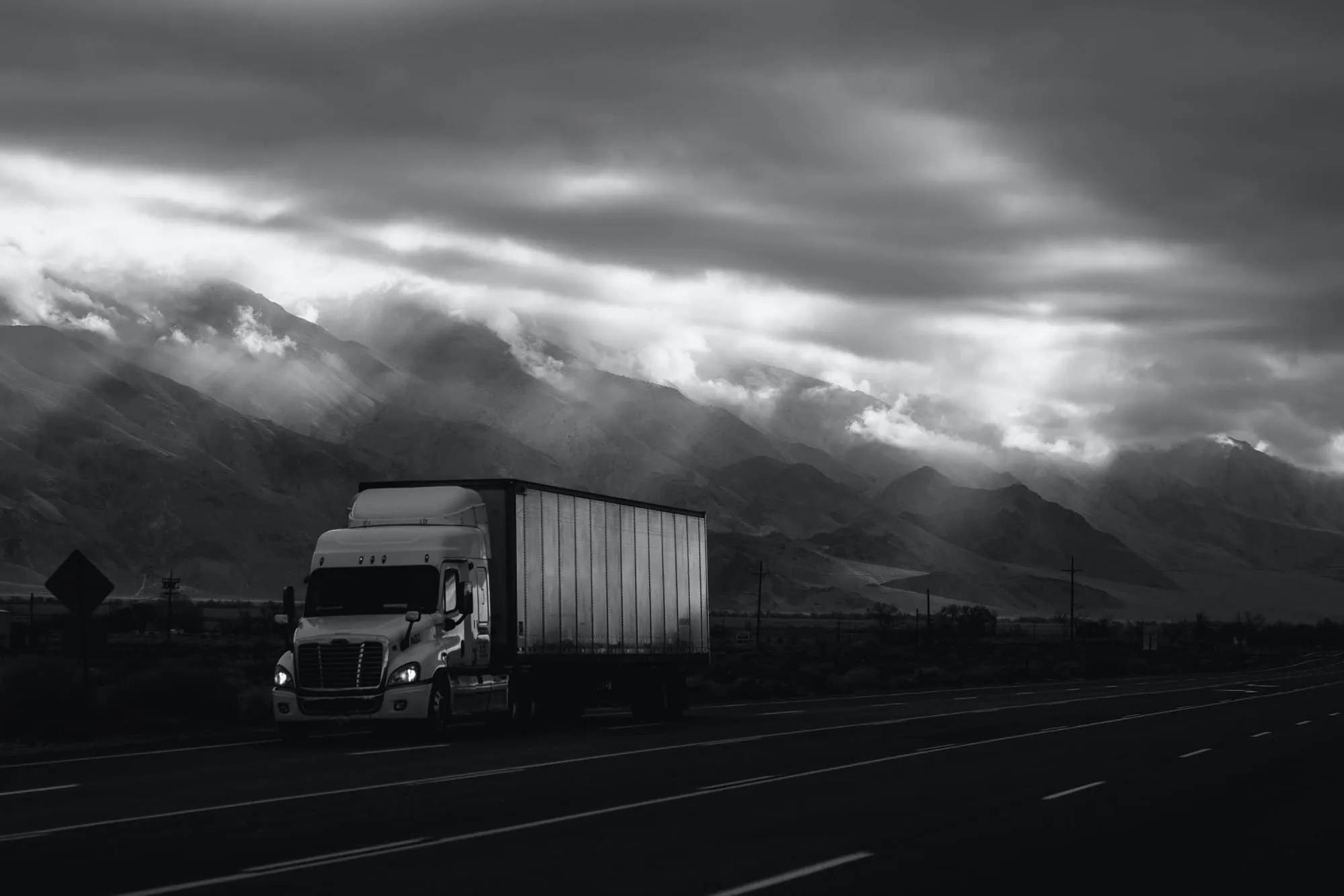
The enclosed workhorse of truckload freight. A dry van shields palletized and boxed freight from weather and road debris when the cargo does not need climate control. A 53-foot dry van holds 26 standard pallets single-stacked and roughly 42,000 to 45,000 pounds of cargo.
Refrigerated
Reefer trailers hold a set temperature from pickup to delivery for perishable and temperature-sensitive loads. See refrigerated freight.
Load ranges
- Less than truckload
- 150–15,000 lb
- Up to 10 pallets, on a shared trailer
- Partial truckload
- 5,000–40,000 lb
- 5–14 pallets, no terminal transfers
- Full truckload
- Full trailer
- One shipper, direct to destination
Full truckload, partial, or LTL?
The right mode depends on how much freight you have, how fast it has to arrive, and how much handling it can take. Here is how the three compare.
| Shipment | Full truckload FTL | Partial truckload PTL | Less than truckload LTL |
|---|---|---|---|
| Typical weight | Loads that fill most or all of a trailer | 5,000–40,000 lb | 150–15,000 lb |
| Pallets | The whole trailer is yours | 5–14 pallets | Up to 10 pallets |
| Trailer space | Reserved for your freight alone | You pay only for the space you use | Shared with freight from many shippers |
| Route | Direct, origin to destination | One trailer, no terminal transfers; may stop for other loads | Through carrier terminals, with stops en route |
| Handling | Loaded once, unloaded once | No transfers between dock and trailer | Re-handled at each terminal |
| Transit time | Fastest and most predictable | Faster than LTL | Longest, because freight is consolidated |
| Cost | Highest total, lowest cost per unit on large loads | Between LTL and full truckload | Lowest total for small shipments |
Full truckload FTL
- Typical weight
- Loads that fill most or all of a trailer
- Pallets
- The whole trailer is yours
- Trailer space
- Reserved for your freight alone
- Route
- Direct, origin to destination
- Handling
- Loaded once, unloaded once
- Transit time
- Fastest and most predictable
- Cost
- Highest total, lowest cost per unit on large loads
Partial truckload PTL
- Typical weight
- 5,000–40,000 lb
- Pallets
- 5–14 pallets
- Trailer space
- You pay only for the space you use
- Route
- One trailer, no terminal transfers; may stop for other loads
- Handling
- No transfers between dock and trailer
- Transit time
- Faster than LTL
- Cost
- Between LTL and full truckload
Less than truckload LTL
- Typical weight
- 150–15,000 lb
- Pallets
- Up to 10 pallets
- Trailer space
- Shared with freight from many shippers
- Route
- Through carrier terminals, with stops en route
- Handling
- Re-handled at each terminal
- Transit time
- Longest, because freight is consolidated
- Cost
- Lowest total for small shipments
The weight and pallet ranges overlap: the best mode for a shipment also depends on its dimensions, density, and deadline. Send us the details and we will recommend one.
When to use full truckload
Full truckload is the right call when you have enough freight to fill a trailer, or when the freight cannot risk the extra handling of a shared one. It is usually the best fit when:
- Your shipment fills most of a 53-foot trailer, or is too heavy or bulky to share one.
- The delivery date is firm and you need the most predictable transit time.
- The freight is fragile, high-value, or hazardous, and fewer touches mean less risk.
- You are shipping a large order to a single destination.
- The cargo needs special equipment, such as a flatbed or a temperature-controlled reefer.
- You ship enough volume that the cost per unit beats LTL or partial truckload.
Whether it is an odd request or a rushed shipment, RS Group always solves for "Yes" with a timely and cost-effective transit option.The advantages of full truckload
For small and mid-sized businesses as much as large shippers, a dedicated trailer brings five practical advantages.
Cost savings
When you move a large quantity of goods over a long distance, a full trailer spreads the cost across more freight, so the cost per unit is typically lower than with other methods.
Faster transit
FTL shipments travel directly from origin to destination with no intermediate stops or transfers, which helps you meet tight delivery deadlines.
Better security
Your goods are loaded at origin and stay on the same truck until delivery, which reduces the risk of loss or damage compared with freight that changes trucks or modes.
Flexible scheduling
You choose the pickup and delivery times that fit your operation, instead of working around a carrier terminal schedule.
One point of contact
One shipment, one truck, one team. At RS Group a single point of contact owns each shipment from tender to proof of delivery.
If you need to move a large quantity of goods and want lower cost per unit, faster transit, better security, and flexible scheduling, full truckload is usually the best option.
Who ships full truckload?
Full truckload is the everyday mode for manufacturers, distributors, and retailers with high-volume shipments. It is also the natural choice for oversized or overweight items, and for freight that needs temperature control or hazardous materials handling.
Construction, manufacturing, agriculture, and retail all rely on truckload capacity to move raw materials, finished products, and equipment. What can ship by truckload is limited only by the size and weight capacity of the truck.
If you have a large shipment that needs a dedicated truck and you want to keep the risk of damage or loss to a minimum, full truckload is likely your best option. Working with a broker that vets its carriers is how you make sure it arrives on time and in good condition.
Pricing
What sets a truckload rate
A truckload is priced for the whole truck, so the rate follows the trip rather than a freight class. Five things move it most:
Lane
The origin and destination, and how many trucks run between them. A lane with plenty of capacity and freight in both directions usually prices lower than a remote one.
Miles
The distance from pickup to delivery. Longer hauls cost more in total but usually less per mile, and short hauls often carry a minimum charge.
Fuel
Diesel prices reach the rate through a fuel surcharge, usually tied to the national average price of diesel, so it moves with the market.
Equipment
A dry van is the baseline. A reefer, a flatbed, tarps, or extra securement cost more because fewer trucks can take the load.
Timing
Short notice, tight appointment windows, and peak seasons cost more. Flexible pickup and delivery dates give us more trucks to choose from.
Accessorials such as extra stops, driver assist, or detention at a slow dock add to the total. Send us the details and we will quote the lane.
Truckload shipping FAQ
What is truckload shipping?
Truckload shipping moves one shipper’s freight in an entire trailer. It differs from less-than-truckload (LTL) shipping, which consolidates smaller shipments from several companies onto one truck.
How do I know if truckload is right for my business?
Weigh the size and weight of the shipment, the distance it has to travel, the deadline, and your budget. If you have enough freight to fill most of a trailer, or the freight cannot risk extra handling, truckload is usually right. A shipment of 5,000 to 40,000 pounds may fit partial truckload instead.
What are the benefits of truckload shipping?
For freight that fills a trailer, truckload is often more cost-effective than LTL. It is also faster and more efficient, with fewer stops along the way and less handling of the freight.
What goods typically ship by truckload?
Truckload carries a wide variety of goods, including raw materials, finished products, and equipment, for industries such as construction, manufacturing, agriculture, and retail. The limit is the size and weight capacity of the truck.
Get Moving
Ready to move your freight?
Tell us the origin, destination, and what you are shipping. We will quote it and get it on a truck.